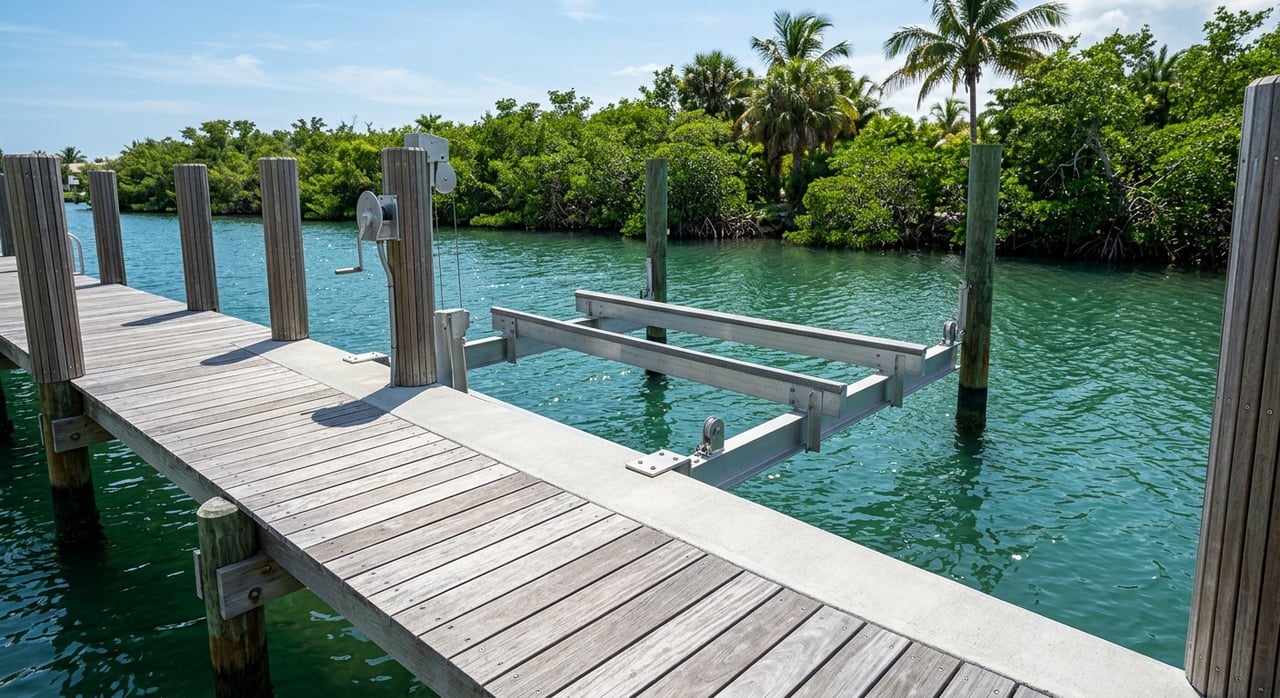
Buying on a Ramrod Key canal can feel like finding the Florida Keys dream: water out back, room for a boat, and that easy island rhythm you came for. But canal-front value here is about much more than the view from the porch. If you are thinking about making an offer, a little extra due diligence can help you avoid expensive surprises and choose a property that truly fits how you want to live and boat. Let’s dive in.
Why canal details matter on Ramrod Key
Not all canal-front homes on Ramrod Key function the same way. Two properties may both have water frontage, but the canal depth, water quality, route to open water, and dock setup can create very different ownership experiences.
Monroe County’s canal restoration information makes that clear. The county ranks canals based on factors like dissolved oxygen, nutrient buildup, canal depth, connectivity to nearshore waters, and the number of parcels along the canal. That means frontage alone does not tell you the whole story.
A county draft ranking list from 2021 even showed that conditions can vary from one Ramrod Key canal to another. In that list, Ramrod Key canal #311 had a fair water-quality summary and a backfill-only recommendation. That is helpful background, but you should treat it as historical context and still verify current conditions before you move forward.
Start with the parcel and county maps
Before you focus on finishes, views, or even the dock, start with the parcel itself. Monroe County’s GIS research tools let you search by RE number or AK number and view layers for parcel boundaries, zoning, future land use, FEMA flood zones, mile markers, and other planning overlays.
This first step helps you confirm exactly what you are buying. It can also flag issues early, especially if you are an out-of-state buyer trying to understand a property remotely.
The Monroe County Property Appraiser also maintains parcel maps and notes that its GIS is frequently updated. For canal-front homes, the county’s canal restoration tools are especially useful because they can help you identify the canal name, depth, and county ranking tied to a specific address.
What to verify first
- Parcel boundaries
- Canal name
- Zoning and future land use
- FEMA flood zone
- Any visible planning or environmental overlays
- County canal depth and ranking information
Verify the boat route to open water
For many buyers, boating access is the real value driver. A pretty canal is nice, but what really matters is how well you can get from your dock to open water.
That is why it is smart to map the exact route instead of assuming every canal-front lot works the same way. Monroe County maintains more than 300 channel markers across 38 marker chains and 251 regulatory markers across 24 boating regulatory zones to support safe navigation and protect shallow-water resources.
In practical terms, you want to know how your boat would actually travel from the property. That includes turns, narrow stretches, channel conditions, nearby bridges, and tidal factors along the route.
Tides and bridge clearance matter
NOAA tide prediction stations that are relevant to Ramrod Key include Ramrod Key at Niles Channel Bridge, Ramrod Key at Newfound Harbor, and nearby stations at Torch Ramrod Channel and Pine Channel Bridge. These stations can help you understand how water levels may affect boating conditions on the route you plan to use most.
NOAA’s Ramrod Key benchmark information ties one station to the U.S. Highway 1 bridge over Niles Channel. That is a useful reminder that bridge location, tide timing, and your boat’s profile should all be reviewed together.
A simple due diligence process looks like this:
- Confirm the canal name in Monroe County’s map tools.
- Compare the route on current NOAA charts.
- Check tide stations closest to both the property and your intended route.
- Think through the route with your boat’s draft, height, and everyday use in mind.
Check whether the dock setup fits your boat
A canal-front property can look perfect online and still not work for your boat. On Ramrod Key, dock type, lift type, shoreline layout, and water depth all matter.
Monroe County’s shoreline rules are detailed and specific. The code treats marginal docks, T-style docks, pier-type docks, elevator lifts, floating platforms, and 4-post hoists differently. Rules can also vary depending on whether the shoreline is altered and whether it is adjacent to a manmade canal, basin, or channel.
For example, on shorelines landward of a seawall, revetment, or manmade canal or channel, a dock may run the full shoreline length if it stays within code limits and is built in the allowed manner. But certain 4-post hoists or cradle lifts on altered shorelines are restricted unless both the lot and waterway meet minimum width requirements.
Ask these dock questions before you offer
- What dock type is currently installed?
- Is there a lift, and what kind?
- Was the dock or lift permitted?
- Does the current setup match how you plan to use the property?
- Would your boat fit based on depth, beam, draft, and access?
- Would any future dock changes likely need new approvals?
Two layout issues deserve extra attention. First, county code limits how docks and moored vessels can sit in relation to side property lines and the navigable part of the waterbody. Second, some mooring or lift setups need at least four feet of water depth at mean low low water and cannot be placed over benthic resources or in manatee zones.
That means a setup that looks workable at first glance may not support your boat, your lift plan, or a future replacement the way you expect.
Review seawall condition and permit history
If the property already has a seawall, dock, or lift, ask for the permit history early. This is one of the most important parts of pre-offer review on a canal-front home.
Even when improvements already exist, future repair, replacement, or expansion may trigger new approvals. Monroe County says canal work may require review by the Florida Keys National Marine Sanctuary, the U.S. Army Corps of Engineers, the Florida Department of Environmental Protection, and the South Florida Water Management District.
The county also notes that existing deteriorated seawalls and bulkheads can be repaired or replaced, but required state and federal permits must be obtained first. At the same time, Monroe County warns that dredging or removal of canal plugs is prohibited by one or more sanctuary regulations.
Signs to investigate further
- Undermining near the seawall base
- Settlement or uneven areas
- Rust or corrosion on visible components
- Evidence of patchwork repairs
- Missing permit records for dock, lift, or seawall work
Understand flood risk and ownership costs
Purchase price is only part of the picture on a Lower Keys canal property. Flood risk, maintenance, and ongoing compliance can all affect your long-term budget.
FEMA’s Flood Map Service Center is the official source for flood hazard maps, and FEMA classifies A and V zones as high-risk flood areas. Monroe County also provides flood-map comparison tools so you can review current effective FEMA maps alongside county flood information.
That extra county layer matters in the Keys, where coastal conditions and permitting requirements can shape what ownership looks like over time. If you are comparing more than one waterfront home, flood-zone research can be just as important as the lot size or number of bedrooms.
Ongoing canal ownership considerations
- Flood insurance costs
- Seawall and dock maintenance
- Water quality conditions in the canal
- Pump-out compliance if you keep a boat at the property
- Future improvement or rebuilding limits
Monroe County says many Keys canals have poor flushing and can trap debris, stormwater runoff, and organic material. That can lead to low dissolved oxygen and algae-related issues. The county’s canal restoration program reflects how important these conditions are, and as of March 2025, the county said 30 canal restoration projects had been completed or were underway.
Know the boating compliance rules
If you plan to keep a boat at your dock for extended periods, boating compliance should be part of your buying decision. In the Florida Keys, this is not just a marina issue. It is part of everyday ownership.
The entire Florida Keys falls within the Florida Keys National Marine Sanctuary and a federal no-discharge zone. Monroe County says vessels anchored or moored for more than ten consecutive days, and required to have a marine sanitation device, must provide proof of pump-out within the prior 30 days.
That means it is wise to think ahead about pump-out access, marina proximity, and the practical routine of maintaining compliance. Those items belong in your ownership budget just like insurance, utilities, and maintenance.
Think ahead if you may rebuild or expand
Some buyers are focused on the home as it stands today. Others are already thinking about adding square footage, reworking the site, or rebuilding later. On Ramrod Key, those future plans deserve attention before closing.
Because Ramrod Key is in the Florida Keys Area of Critical State Concern, growth and rebuilding are shaped by Monroe County’s ROGO and NROGO system. The county says these permit systems are designed around hurricane evacuation carrying capacity and are used to steer development toward infrastructure and away from environmentally sensitive areas.
In plain terms, future changes may involve more time, more process, and more limits than buyers expect in other markets. If your purchase decision depends on future expansion or major site changes, that should be part of your due diligence before you commit.
A smart pre-offer checklist
If you want a simple way to evaluate a Ramrod Key canal home, use this checklist:
- Verify the parcel in Monroe County GIS
- Confirm the exact canal name and county canal data
- Review canal depth and county restoration context
- Map the boat route to open water
- Check nearby tide stations for the route you would use
- Review dock, lift, and seawall permit history
- Evaluate whether the current setup works for your boat
- Check current FEMA flood maps and county flood tools
- Ask about canal maintenance concerns and nearby restoration work
- Understand pump-out rules if you will keep a boat at the dock
- Review how future rebuilding or expansion could be affected by ROGO or NROGO
The best Ramrod Key canal purchases usually come down to layered due diligence. You want to verify the parcel, verify the canal, verify the route, verify the permits, and verify the flood and ownership implications before you make an offer.
Buying waterfront in the Lower Keys can be incredibly rewarding, especially when the property matches how you actually plan to live. If you want a calm, local guide to help you sort through canal details, boating access, and Florida Keys nuances, Joyce Craul is here to help.
FAQs
What should you check first before buying on a Ramrod Key canal?
- Start with Monroe County parcel and GIS tools so you can confirm the parcel boundaries, canal name, zoning, flood zone, and planning overlays tied to the property.
Why is the exact canal important for a Ramrod Key waterfront home?
- Canal condition is not uniform, and Monroe County evaluates canals based on depth, water quality, connectivity, and other factors that can affect boating use and long-term ownership.
How do you verify boating access from a Ramrod Key canal home?
- Confirm the canal name in county maps, review the route on current NOAA charts, and check tide stations near both the property and the route to open water.
What dock issues matter when buying a canal-front home on Ramrod Key?
- You should confirm the dock or lift type, permit history, setback and width compliance, water depth, and whether the current layout actually works for your boat.
What flood information should you review for a Ramrod Key canal property?
- Review FEMA flood maps and Monroe County flood comparison tools to understand the parcel’s flood zone and how that may affect insurance, elevation concerns, and future improvements.
Can future rebuilding or expansion be limited on Ramrod Key?
- Yes, Monroe County’s ROGO and NROGO systems shape development and rebuilding in the Florida Keys Area of Critical State Concern, so future plans should be reviewed before closing.
What boating compliance rule should long-term boat owners know in the Florida Keys?
- Monroe County says vessels anchored or moored for more than ten consecutive days, if required to have a marine sanitation device, must provide proof of pump-out within the prior 30 days.