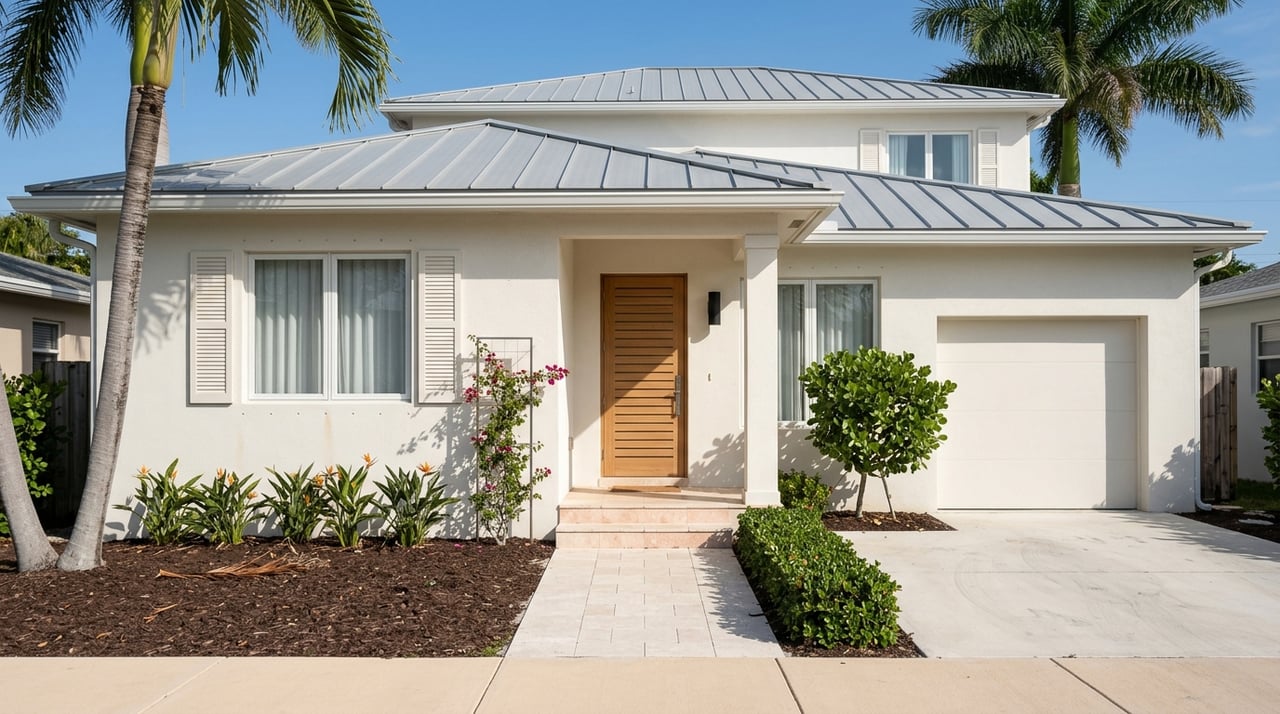
Selling a Key West home can feel simple on the surface, but the details matter more than many sellers expect. In 33040, pricing, flood information, permit history, and disclosure prep can all shape how quickly your home sells and how smoothly you get to closing. If you want fewer surprises and a stronger launch, this step-by-step guide will help you focus on what matters most. Let’s dive in.
Understand the Key West market
Before you list, it helps to set expectations based on current local conditions. Recent data shows a premium market, but not one where sellers can ignore timing or negotiation.
Redfin’s Key West housing data reported a median sale price of $1.15M in February 2026, with 102 median days on market and 26 sales. Realtor.com’s 33040 market page reported a $1.35M median listing price, 82 median days on market, and a 96% sale-to-list ratio. These numbers are measured differently, but together they suggest that buyers are comparing options carefully and often negotiating.
What this means for sellers
You should plan for a market where pricing needs to reflect current conditions, not last year’s peak or countywide averages alone. If your home has condition concerns, unfinished permit work, or missing condo documents, buyers may push harder on price or terms.
A home can still sell well in this market, but preparation matters. The more complete and transparent your listing is at launch, the easier it is to build buyer confidence.
Step 1: Pull permit records early
In Key West, permit history is not something to leave until the last minute. The city requires a building permit before work valued at more than $1,000, and as of January 1, 2025, it no longer accepts incomplete permit applications, according to the City of Key West permit page.
If your home has had updates over the years, check whether permits were issued and closed properly. This is especially important for additions, major renovations, electrical work, plumbing work, and exterior improvements.
Historic district detail to know
If your property is in the Historic District, exterior work may also require a Certificate of Appropriateness. That can affect how buyers view changes to the property and whether past work was handled correctly.
The easiest move is to review records before listing and address any open or stale permits upfront. Doing this early can reduce contract delays later.
Step 2: Confirm flood-zone details
Flood questions are a normal part of selling in Key West. The city notes that the area is subject to coastal and shallow flooding and storm surge, which makes flood-zone information a practical part of your sale, not just a box to check.
The City of Key West floodplain management page points owners to elevation certificate tools and FEMA resources. It also notes that the city’s CRS Class 5 status can provide up to a 25% flood insurance discount for certain policyholders in AE, AO, and VE zones.
Jurisdiction matters in 33040
Not every 33040 property with a Key West mailing address is inside the City of Key West. The city specifically points to nearby communities such as Key Haven, Rockland Key, and Stock Island for county floodplain resources.
That means you should verify which local jurisdiction applies to your property before assuming the same rules or resources apply. Buyers often ask detailed flood and insurance questions, so having this information ready can help your listing feel more complete.
Step 3: Organize disclosures before you list
Florida sellers have important disclosure duties, and Key West homes often come with issues that should be addressed early. Under the Johnson v. Davis rule, a seller who knows of facts materially affecting the value of a property that are not readily observable must disclose them, as explained by The Florida Bar.
For many local homes, that can include:
- Roof leaks
- Prior water intrusion
- Drainage problems
- Unpermitted additions
- Known flooding history
- Other material defects not obvious to a buyer
Flood disclosure is separate
Florida also requires a flood disclosure at or before contract execution. Under Florida Statute 689.302, the form asks whether you know of flooding during ownership, whether flood claims were filed, and whether flood assistance was received.
This matters because standard homeowners insurance does not cover flood damage. If you gather your flood history and insurance records early, you will be in a much better position once an offer comes in.
Lead-based paint may apply
If your home was built before 1978, federal lead-based paint disclosure rules also apply. The EPA’s lead-based paint disclosure overview explains what is required.
Step 4: Gather condo documents if needed
If you are selling a condo, start your document collection as soon as you decide to sell. Florida condo sales require more paperwork, and waiting too long can slow down a transaction.
Under Florida Statute 718.503, a nondeveloper seller must provide the buyer, at the seller’s expense, key documents such as the declaration, articles of incorporation, bylaws and rules, annual financial statement, annual budget, and in some cases the most recent milestone inspection summary and structural integrity reserve study.
Why condo prep affects value
In a market where buyers are already negotiating, missing association documents can create friction. Buyers may also look closely at association finances and rules when deciding how they value a condo and how much risk they are willing to accept.
The more complete your condo package is before launch, the cleaner your listing will feel to serious buyers.
Step 5: Price from fresh 33040 comps
Pricing is one of the biggest decisions you will make, and in Key West, it needs to be tied closely to current local data. Fresh 33040 comparable sales matter more than broad county averages.
Realtor.com’s 33040 data shows a 96% sale-to-list ratio, while Redfin’s Key West data shows homes taking around 102 median days on market. Those trends suggest that overpricing can cost you time, and time on market often leads to price reductions.
Smart pricing in this market
A good pricing strategy should consider:
- The most recent 33040 comparable sales
- Current competition in your price range
- Days on market trends
- Your home’s condition
- Permit status and disclosure issues
- Condo financials and rules, if applicable
The goal is not just to list. It is to launch at a price that earns attention from serious buyers while leaving less room for avoidable negotiation.
Step 6: Prepare for showings and buyer scrutiny
Once your home is live, buyers will compare it against every other active option they have seen online and in person. In a market where homes may take 82 to 102 days to sell, your home may need steady exposure before the right offer appears.
That does not necessarily mean something is wrong. It often means buyers are moving carefully, especially in a higher price point market.
What buyers may focus on
Expect buyers to look closely at:
- Condition and maintenance
- Roof and water intrusion history
- Flood exposure and insurance questions
- Permit records
- Condo documents and finances
- Repair history
When these items are already organized, your listing is easier to understand and easier to trust.
Step 7: Review offers carefully
The highest offer is not always the best one. In Florida, inspection, appraisal, and financing contingencies can all affect how likely a contract is to close.
A cleaner offer is often easier to manage, especially when your disclosures, permit records, and repair history are already assembled. That kind of preparation can reduce back-and-forth after inspections and help you keep the transaction moving.
Look beyond price
As you review offers, pay attention to:
- Financing strength
- Inspection terms
- Appraisal risk
- Requested closing timeline
- Whether the buyer has reviewed condo or property documents
A smooth closing often starts with a well-structured contract, not just a strong number on page one.
Step 8: Budget for seller closing costs
Before you accept an offer, make sure you understand the basic seller costs. In Florida, documentary stamp tax on deeds is $0.70 per $100 of consideration, according to the Florida Department of Revenue’s documentary stamp tax reference.
That charge is one of the costs that typically appears on your settlement statement. Planning for it early helps you estimate your net proceeds more accurately.
Step 9: Understand your likely timeline
Many sellers hope for a quick sale, but a realistic Key West timeline is often longer than expected. Based on local market pace and loan closing data, a sale may take roughly 2 to 4 months from listing to closing, with unresolved permit or condo-document issues potentially extending that timeline.
For financed purchases, ICE Mortgage Technology’s July 2025 data showed purchase loans closed in 40.3 days on average after application. When you combine that with 33040 days on market, planning ahead becomes even more important.
A simple timeline example
A typical path may look like this:
- Pre-listing prep and pricing
- Listing goes live and showings begin
- Offer negotiation and contract acceptance
- Inspection, appraisal, and financing period
- Final closing steps and settlement
If permit issues, flood records, or condo paperwork are unresolved, each stage can take longer.
Step 10: Ask tax questions early
Not every Key West seller is a full-time resident, and that can affect tax treatment. The IRS overview of home sale gain exclusion explains when gain from the sale of a main home may be excluded from income.
This is especially relevant if the property is a second home, seasonal home, or rental. Knowing where you stand before closing can help you plan more confidently.
A practical Key West seller checklist
If you want a smoother sale, keep this checklist handy:
- Pull permit history and resolve open or stale permits
- Confirm flood-zone information and gather any elevation or insurance records
- Organize disclosures about water intrusion, flooding, roof issues, and other latent defects
- Prepare lead-based paint disclosure if the home was built before 1978
- Collect condo association documents and financials early, if applicable
- Price your home using the most recent 33040 comps
- Budget for documentary stamp tax and other settlement charges
Selling in Key West is not just about putting a home on the market. It is about preparing your property so buyers can understand its value, trust the information they see, and move forward with confidence. If you want local, one-to-one guidance through pricing, preparation, and the details that matter in the Keys, Joyce Craul is here to help.
FAQs
What is the first step to selling a home in Key West?
- The first step is usually reviewing permit history, flood information, and disclosure items so you can price and launch the home with fewer surprises.
How long does it take to sell a home in 33040?
- Recent local data showed median days on market ranging from 82 to 102 days, and financed purchases may take about 40 days to close after application.
What disclosures are required when selling a Key West home?
- Florida sellers should disclose known material defects that are not readily observable, and flood disclosure is required at or before contract execution.
What condo documents are needed for a Key West condo sale?
- Florida law requires documents such as the declaration, bylaws and rules, annual financial statement, annual budget, and in some cases milestone inspection and reserve study information.
Why does flood information matter when selling a Key West property?
- Buyers often review flood-zone details, insurance history, and prior flooding because Key West is subject to coastal and shallow flooding and storm surge.
How should a Key West home be priced in the current market?
- A Key West home should be priced using fresh 33040 comparable sales, current competition, and local days on market rather than broad regional averages alone.