If your dream of the Florida Keys starts with a boat lift, a canal out back, and easy days on the water, Summerland Key deserves a closer look. This Lower Keys island offers a lifestyle that feels deeply tied to boating, shoreline access, and the rhythm of the marine environment. If you are wondering what it is really like to own or shop for property here, this guide will walk you through the waterfront appeal, the practical side of life on the island, and what to keep in mind as you explore your options. Let’s dive in.
Why Summerland Key Feels Different
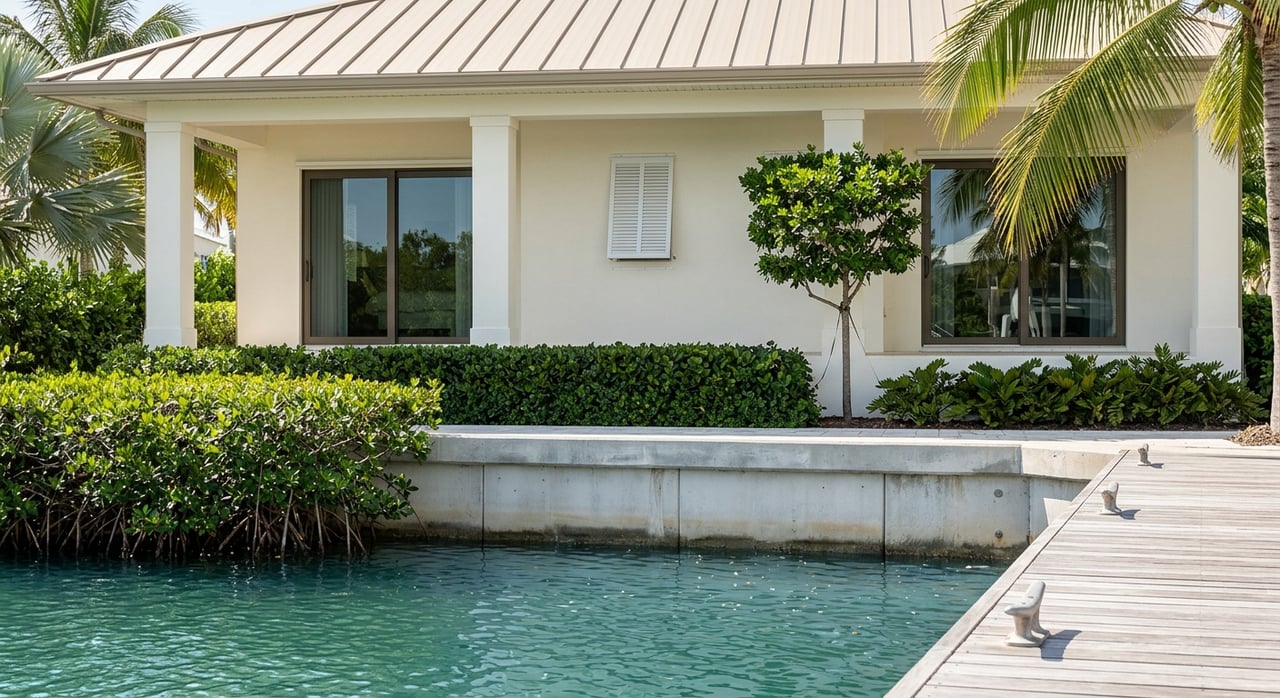
Summerland Key is not centered around a traditional downtown or main street experience. Its identity is shaped more by canals, waterfront streets, and access to the water than by a conventional town core.
That pattern goes back to how parts of the island were developed. Local history tied to the community airport describes streets and canals built into the layout, and Monroe County documents also reflect Summerland Key’s canal-based residential character. For many buyers, that is the first big draw. Life here often feels oriented around docks, boats, and time outside.
Waterfront Living Starts With Access
One of the biggest lifestyle advantages on Summerland Key is how closely many homes connect to the water. In a place where canals and shoreline access help define the neighborhood pattern, your day-to-day routine may feel more tied to launching a boat, watching tides, or planning time outdoors than it would in many mainland communities.
Monroe County planning documents also note a public boat ramp on West Summerland Key at mile marker 25. The county has also identified a broader goal of expanding public shoreline access for water-based recreation, which supports the island’s long-standing connection to boating and marine activity.
The area’s marine focus also shows up in local infrastructure. Monroe County’s 2024 vulnerability assessment identifies private marinas on Summerland Key, including Blanche Bergin Marina Park, Sea Boots Charter Fishing, and Summerland Cove. Together, these details help explain why the island often appeals to buyers who want a true water-oriented lifestyle rather than just a water view.
Boating Is Part of Daily Life
In Summerland Key, boating is not just a weekend extra. For many property owners, it is part of how they enjoy the area on a regular basis.
The waters around the Florida Keys are part of the Florida Keys National Marine Sanctuary. NOAA says this protected area includes the continental United States’ only coral barrier reef, extensive seagrass beds, mangrove-fringed islands, and more than 6,000 species of marine life.
That setting is part of what makes time on the water so special here. NOAA also states that about 60% of the regional economy is tied directly to marine-related activities such as fishing, boating, diving, and wildlife viewing. In other words, the marine environment is not just scenery. It is central to the Keys lifestyle and economy.
The Waterfront Lifestyle Comes With Responsibility
The same natural features that make Summerland Key so appealing also require care and awareness. If you are considering a waterfront home here, it helps to think about boating access and environmental conditions together.
NOAA advises checking weather and tides before heading out because conditions can shift quickly around the Florida Keys. Low tide can require extra caution, especially in shallow areas where water depth can change how comfortably and safely you navigate.
Seagrass protection is another important part of boating in the Keys. NOAA warns that seagrass beds are vulnerable to propeller scarring, and more than 300 groundings are reported in the sanctuary each year, with nearly 80% affecting seagrass habitat. For buyers, that means the boating lifestyle here is at its best when paired with local knowledge, route awareness, and respect for the surrounding habitat.
What Buyers Should Know About Boating Rules
If you plan to operate a motorboat in Florida, make sure you understand the state’s boating education rules. Florida requires anyone born on or after January 1, 1988, to complete an approved boating safety course and carry a Boating Safety Education ID card when operating a motorboat of 10 horsepower or more.
For out-of-state buyers and second-home owners, this is one of those practical details that can be easy to miss early in the search process. It is a small example of how Florida Keys living can feel relaxed and easygoing, while still coming with specific local responsibilities.
A Niche Feature: The Fly-In Community Feel
Summerland Key also has an unusual feature that sets it apart from many other waterfront communities in the Keys. It has a private-use airport, Summerland Key Airport, also known as FD51.
According to AirNav, the airfield has a 2,550-by-20-foot asphalt runway, no control tower, and requires permission before landing. That makes it a niche general aviation feature rather than a commercial travel option.
The airport’s own history describes the area as a fly-in community designed to blend aviation and marine living. It specifically notes that Summerland Cove was developed with a landing strip flanked by homes and canals. Monroe County’s vulnerability assessment also lists Summerland Airfield among the island’s priority assets, reinforcing that aviation is part of Summerland Key’s identity.
For the right buyer, that fly-in character adds another layer of appeal. It is not relevant to every home search, but it does show how Summerland Key offers a distinctive lifestyle mix that is hard to duplicate.
Everyday Access Still Matters
Even in a boat-first setting, day-to-day access on land remains a big part of life on Summerland Key. Roads, bridges, and the Overseas Highway are essential for commuting, errands, services, and evacuations.
Monroe County’s roads and bridges department maintains 27 county bridges and about 312 miles of county roads and rights-of-way. In the Keys, that kind of infrastructure matters because island living depends on reliable connections between communities.
Summerland Key also has some public transit coverage. Current county bus maps show stops on the Lower Keys Shuttle along U.S. 1, including MM 20.5, MM 24.5/Mote Lab, and MM 25. Even so, most buyers will still think in terms of car access, boating access, and overall ease of movement through the Lower Keys.
Flood Risk and Long-Term Planning
Waterfront living in the Keys is rewarding, but it also asks you to think realistically. Monroe County’s 2024 vulnerability assessment says Summerland Key faces long-term sea-level-rise impacts projected for 2070 and 2100.
The same county report identifies the Overseas Highway, county bridges, the Florida Keys Overseas Heritage Trail, local roads, utilities, marinas, and the Summerland Airfield as vulnerable to storm surge and sea-level rise. The county describes these transportation assets as essential for daily commutes, tourism, and emergency evacuations.
For buyers, this does not mean you should avoid the area. It means you should approach a purchase with clear eyes and good local guidance. Understanding access, elevation-related questions, evacuation planning, and waterfront maintenance is part of making a confident decision in the Keys.
Who Summerland Key May Suit Best
Summerland Key tends to be a strong fit for buyers who want their home search to revolve around water access and outdoor living. If you picture boating as part of your normal week, not just a special occasion, the island’s layout and character may feel like a natural match.
It can also appeal to second-home buyers and relocators who want a quieter Lower Keys feel with strong marine connections. And for buyers with aviation interests, the private airfield adds a rare lifestyle angle that is not common in most island communities.
At the same time, this is usually not a plug-and-play waterfront market. The best fit is often someone comfortable learning the local rhythm of tides, weather, marine rules, flood considerations, and island access. When that sounds exciting rather than overwhelming, Summerland Key can be a compelling place to focus your search.
How to Explore Summerland Key Smartly
If you are considering a move or purchase here, it helps to look beyond listing photos and ask lifestyle-based questions. A beautiful waterfront home can mean very different things depending on canal access, boating habits, and how you plan to use the property.
As you narrow your options, consider questions like these:
- How important is direct boating access to your daily lifestyle?
- Do you want quick canal access, marina access, or nearby public ramp access?
- Are you comfortable navigating tides, weather shifts, and shallow-water conditions?
- How important is proximity to U.S. 1 and everyday driving routes?
- Are you looking for a full-time home, second home, or a relocation landing spot in the Lower Keys?
These questions can help you move from a general waterfront dream to a more practical and satisfying buying decision.
If you want local guidance as you explore Summerland Key and other Florida Keys communities, Joyce Craul offers the kind of one-to-one insight that helps you connect the property search to the lifestyle you actually want.
FAQs
What is the waterfront lifestyle like on Summerland Key?
- Summerland Key’s lifestyle is heavily shaped by canals, shoreline access, marinas, and boating, rather than a traditional town center.
Is Summerland Key good for boaters?
- Summerland Key can be a strong fit for buyers who want regular access to boating, with canal-based neighborhoods, a public boat ramp on West Summerland Key, and a marine-focused setting.
What should buyers know about boating around Summerland Key?
- Buyers should know that tides, weather changes, shallow water, and seagrass protection are important parts of boating safely and responsibly in the Florida Keys.
Does Summerland Key have an airport?
- Yes. Summerland Key Airport, or FD51, is a private-use airfield with a short asphalt runway, no control tower, and permission required before landing.
What everyday access options are available on Summerland Key?
- Daily access relies mainly on roads, bridges, and U.S. 1, with some Lower Keys Shuttle bus service at stops along the highway.
What long-term waterfront considerations matter on Summerland Key?
- Buyers should consider storm surge, sea-level-rise vulnerability, evacuation planning, and the long-term resilience of roads, utilities, marinas, and other island infrastructure.